How EBOO Therapy Supports Diabetics: A New Hope for Wound Healing and Inflammation

EBOO (Extracorporeal blood ozone and oxygenation) therapy is an extremely advanced ozone therapy that infuses oxygen and ozone into the blood through a closed circuit while the blood is outside of the body.
Although the blood is outside of the body, the procedure is completely sterile. A draw line is placed and the blood is removed from the body, moves through the closed circuit, using a peristaltic pump, infused with oxygen and ozone in the filtration chamber, and returned back into the body.
This treatment has been growing in popularity and relevance for people with diabetes, especially for those who are struggling with chronic wounds, poor circulation and inflammation. EBOO therapy may be particularly beneficial for diabetic foot ulcers.
Why EBOO Therapy Matters for Diabetics
EBOO therapy works by oxygenating and ozonating the blood, then passing it through UV lighting before it re-enters into the person‘s bloodstream.
Blood ozonation was being used in the early 1900s to treat several different diseases, such as tuberculosis, syphilis, whooping cough, and diabetes.
The therapeutic benefits of blood ozonation include:
Improving circulation, immunity, wound healing, cognitive function, nitric oxide levels, and energy.
It reduces the risk of infection, swelling, and bruising. Additionally, it balances the inflammatory response and promotes a healthier pain response.
Diabetes often leads to impaired circulation, immune function, and wound healing because of the elevated glucose in the bloodstream.
EBOO therapy may address these diabetes related issues on the systemic level and optimize overall wellness in those living with diabetes.
How EBOO Is Administered
Prior to treatment, it is extremely important to have a large, well balanced meal with plenty of protein and carbohydrates, as this procedure is known to impact blood sugar.
Also of great importance is coming into the procedure well hydrated. This enables the veins to give blood and make the therapy more effective.
To have a good understanding of how EBOO is administered, let’s discuss the procedure step-by-step.

Two IVs are placed, one to draw blood and the other to return blood.
Tubing is connected to both IVs tocomplete the closed circuit. One tubing is drawing the blood to the filter to be diffused with ozone and oxygenation, and the other tubing is bringing the oxygenated and ozonated blood under the UV and back to the patient.
The procedure lasts approximately one hour (give or take) depending on the clinician’s judgment.
Once the procedure has ended, the majority of the blood is returned back into the patient and the procedure and circuit is discontinued.
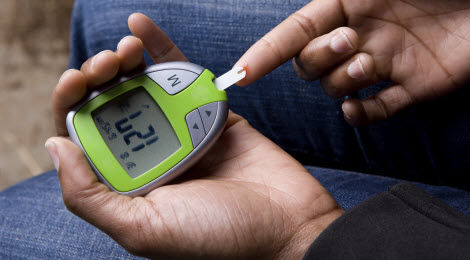
Prior to the procedure starting, the patient’s blood sugar is checked as well as their blood pressure.
Depending on their initial blood sugar and meal consumed prior to the procedure, their blood sugar may be checked again in approximately 12 to 15 minutes as this procedure can impact a person‘s glucose level and drop it quite fast.
This procedure is minimally invasive and usually tolerated very well. It usually lasts for approximately an hour and most people report a positive experience.
Collection Cup in EBOO
There is a common misconception that the dialysis filter that is used in EBOO therapy is actually filtering the blood as it is filtered during a dialysis treatment.
This misconception has led to many public claims that the filter is used to remove heavy metals and toxic substances from the blood, but in fact, the filtration chamber is inverted to be used as an ozone and oxygen diffuser, not as a filter.
When an EBOO treatment is done, there is a collection cup that collects byproducts of the blood. This leaves room for speculation of what the byproducts may be and future testing will hopefully be able to answer these questions.
However, currently there are no formal studies that have been done to show conclusive or consistent results as to what these byproducts are.
EBOO for Diabetic Foot Ulcers and Wound Healing
Diabetic foot ulcers are very common complications of diabetes and often related to poor circulation or reduced blood flow to the extremities.
If a diabetic foot ulcer is not caught early, it can be extremely difficult to treat. If early treatment is not implemented, it can become a late stage ulcer and require frequent wound care and if not properly treated, can lead to the loss of a toe, foot, or limb.
EBOO is one such therapy that is highly effective in the treatment of diabetic foot ulcers. This is because EBOO helps improve oxygen delivery to hypoxic tissue, reduces bacterial and biofilms, stimulates local growth factors and angiogenesis, reduces inflammation, and promotes regeneration.
One case study reveals that after receiving ozone therapy, the recipients showed a higher wound healing rate and lower duration of antibiotics and a decrease in re-infection rate.
This was in relation to the reduction and inflammation, the increase in growth factor levels, and the improvement of oxidative stress status. The findings point to the value of ozone therapy in the treatment for diabetic foot ulcers.
Broader Benefits of EBOO for Diabetics
In addition to the effective treatment for diabetic foot ulcers, there are several other broader benefits of EBOO therapy for diabetics.
These include enhanced insulin sensitivity, and reduced systematic inflammation, which is extremely helpful in the management of diabetes complications.
EBOO therapy also supports the improvement of neuropathy, fatigue, brain fog, and poor immune response.
Additionally, EBOO supports cardiovascular health and can help minimize cardiovascular complications related to diabetes.
How Many EBOO Treatments are Recommended and Who is a Good Candidate?
The general protocol is 1x/week for 4 sessions to start and then additional sessions for maintenance depending on therapeutic need. Individual specific adjustments are made based on the presence of DCUs or recurrent infections and the presence of other symptoms.
EBOO is also beneficial for people with prediabetes or metabolic syndrome, diabetics with chronic wounds or ulcers, recurrent infections, neuropathy, and or chronic fatigue or systemic inflammation.
EBOO therapy provides a cutting edge option and new possibilities for diabetics who are dealing with difficult to heal diabetic wounds and systematic complications. Additionally, EBOO therapy is beneficial for many different people for several different reasons.
Below is a comprehensive list of benefits attributed to EBOO therapy:
|
Reach out to speak with one of our expert clinicians to learn your options today and get started on your healing journey. Schedule your consultation here!

As a registered nurse and certified diabetes educator on the EBOO therapy team at the Charleston Pain Relief and Wellness Center, it is my honor and privilege to be a part of the healing journey of so many.
Meet the Author  Hi! I’m Beth, a Registered Nurse and Certified Diabetes Educator. I provide diabetes coaching for newly diagnosed people with diabetes and also work with people who have been living with diabetes for some time. With 1:1 coaching, you will feel empowered and supported to confidently manage your diabetes effectively - without it controlling your life! I can help you make sure that you feel good, stay in optimal health and take care of your well-being at all times. First call is on me! Let’s talk. |


Comments